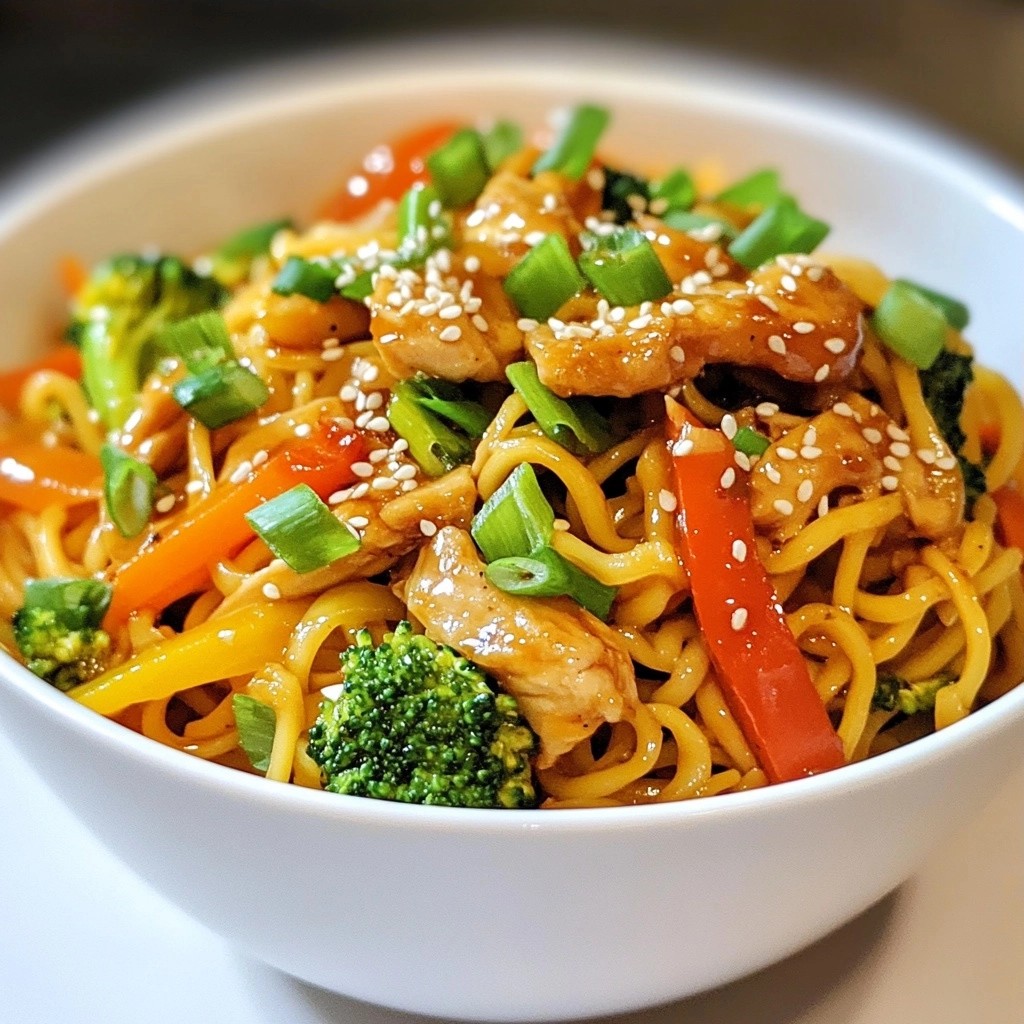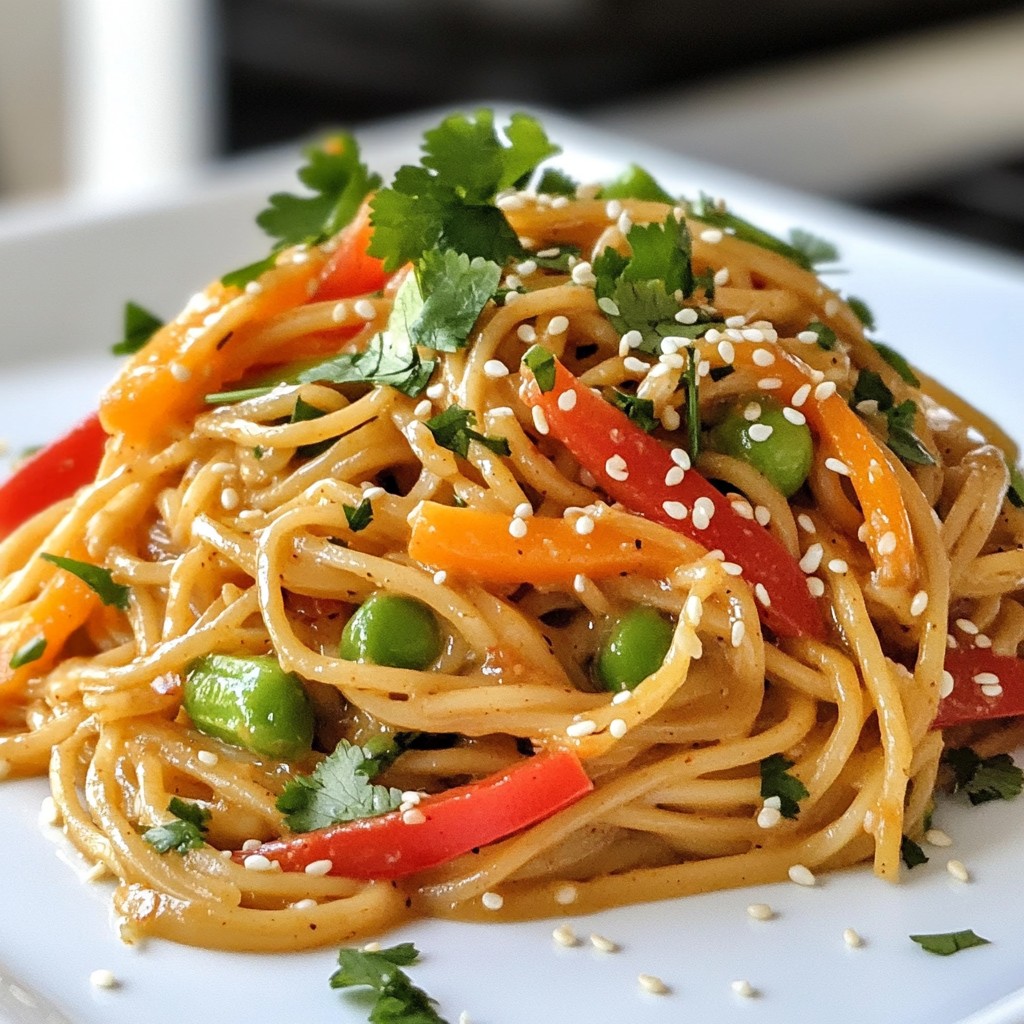
If you're looking for a filling meal that's simple and tasty, you've found it! Soba noodles with peanut sauce bring comfort in every bite. With creamy peanut flavors and fresh veggies, this dish packs nutrition and satisfaction. I’ll guide you on making this delightful dish, from ingredients to tips. Get ready to savor a bowl of goodness that brightens your weeknight dinner!
Why I Love This Recipe
- Quick and Easy: This recipe comes together in just 30 minutes, making it perfect for a weeknight dinner.
- Healthy Ingredients: Packed with vegetables and whole grains, this dish is both nutritious and satisfying.
- Flavorful Sauce: The creamy peanut sauce adds a rich and delicious flavor that enhances the noodles and vegetables.
- Customizable: You can easily switch up the vegetables or add protein to suit your taste preferences.
Ingredients
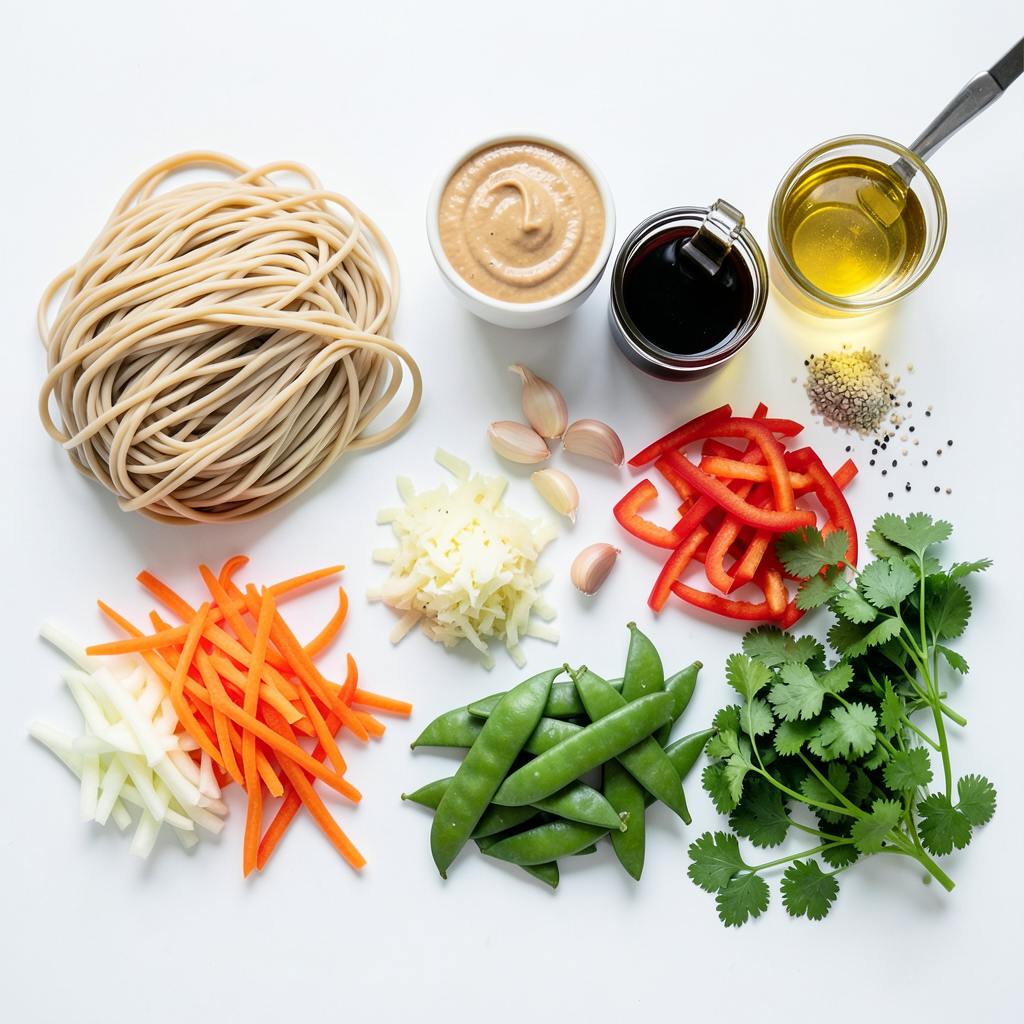
Main Ingredients for Soba Noodles with Peanut Sauce
- 200g soba noodles
- 1/2 cup creamy peanut butter
- 3 tablespoons soy sauce
- 2 tablespoons honey (or maple syrup for a vegan alternative)
Fresh Vegetables
- 1 red bell pepper, cut into thin strips (julienned)
- 1 carrot, cut into thin strips (julienned)
- 1 cup snap peas, ends trimmed and strings removed
Flavor Enhancers
- 1-2 cloves garlic, finely minced
- 1 tablespoon freshly grated ginger
- 1 tablespoon sesame oil
Soba noodles are a great base for this dish. They are made from buckwheat, giving them a nutty taste. The creamy peanut butter adds richness and depth. It works well with soy sauce, which gives a savory kick. Honey or maple syrup sweetens the sauce, balancing flavors nicely.
For fresh vegetables, I love using red bell pepper, carrot, and snap peas. These veggies add color and crunch. The garlic and ginger boost the flavor. Lastly, sesame oil rounds it out with its toasty notes.
Make sure to have all these ingredients ready for a tasty meal. It’s easy to prepare, and the flavors blend beautifully.
Step-by-Step Instructions
Cooking the Soba Noodles
To cook soba noodles, bring a pot of water to a boil. Add 200g of soba noodles. Cook them for about 4-5 minutes. You want them tender but not mushy. Once cooked, drain the noodles. Rinse them under cold water. This stops the cooking process and helps them stay firm. Set the noodles aside for later.
Making the Peanut Sauce
Grab a medium bowl. In it, combine 1/2 cup of creamy peanut butter, 3 tablespoons of soy sauce, and 2 tablespoons of honey or maple syrup. Add 1 tablespoon of rice vinegar and 1 tablespoon of sesame oil. Now, finely mince 1-2 cloves of garlic and grate 1 tablespoon of ginger. Toss these in as well. Whisk everything until it is smooth and creamy. If it’s too thick, add a bit of warm water to thin it out.
Sautéing the Vegetables
Heat a large skillet or wok over medium heat. Add a splash of water or a drizzle of sesame oil. Toss in the julienned red bell pepper, carrot, and snap peas. Cook them for about 2-3 minutes. You want them tender but still bright in color. This keeps them crunchy and full of flavor.
Combining Noodles, Sauce, and Vegetables
Now it’s time to bring it all together. Add the cooked soba noodles to the skillet. Pour in the peanut sauce. Gently toss everything together for another 2-3 minutes. This helps the sauce coat the noodles and vegetables well. Once everything is heated through, remove the skillet from the heat. Fold in the sliced green onions for an extra burst of flavor.
Tips & Tricks
Perfecting Peanut Sauce Consistency
To make your peanut sauce just right, start with the base. If the sauce feels thick, do not worry. You can fix it easily. Add a bit of warm water. Stir it in slowly until it reaches your desired thickness. This will help the sauce coat the noodles perfectly.
Enhancing Flavor and Presentation
Garnishing makes a dish shine. For this recipe, sesame seeds and fresh cilantro work wonders. Sprinkle sesame seeds on top for crunch. Add a few cilantro leaves for color and freshness. You can serve the noodles in deep bowls for a cozy feel. A lime wedge on the side gives a zesty kick, too.
Cooking Variations
Feel free to play with your vegetables. You can swap the red bell pepper for zucchini or asparagus. If you want more greens, try adding broccoli or bok choy. These swaps keep the dish fresh and fun. Mix it up and enjoy!
Pro Tips
- Perfect Noodle Texture: Be sure to rinse the soba noodles under cold water after cooking to stop the cooking process and prevent them from becoming mushy.
- Custom Sauce Consistency: If the peanut sauce is too thick, gradually add warm water until you reach your desired creamy consistency.
- Vegetable Crunch: Keep your sautéed vegetables tender-crisp by not overcooking them; they should retain their vibrant color and a bit of bite.
- Garnish for Flavor: Don't skip the sesame seeds and fresh cilantro as they add both flavor and a beautiful presentation to your dish.
Variations
Protein Additions
You can add protein to your soba noodles for a heartier meal. Chicken, tofu, or shrimp are great choices. For chicken, cook bite-sized pieces in the skillet before adding veggies. Use firm tofu, cubed and sautéed until golden for a tasty vegan option. If you prefer shrimp, toss them in with the vegetables. Cook until they turn pink and curl. These additions boost flavor and nutrition.
Dietary Modifications
If you want to make this dish vegan, simply swap honey for maple syrup. For gluten-free options, look for gluten-free soba noodles made from buckwheat. Always check labels to ensure they meet your needs. These small tweaks keep the dish delicious while catering to different diets.
Serving Suggestions
You can serve soba noodles in many fun ways. Try topping them with crushed peanuts for extra crunch. Add lime wedges for a zesty kick. Pair them with a simple salad or steamed vegetables. These sides complement the rich flavors of the peanut sauce and make for a complete meal.
Storage Info
How to Store Leftover Noodles
Store leftover soba noodles in an airtight container. This keeps them fresh and prevents drying out. You can use glass or plastic containers for this. Make sure to cool the noodles first before sealing them.
Reheating Instructions
To reheat your noodles, use a skillet or microwave. If using a skillet, add a splash of water to help steam the noodles. Heat over medium until warm, stirring gently. In the microwave, place the noodles in a bowl with a bit of water. Cover it and heat for one to two minutes. This keeps the flavors intact.
Shelf Life of Ingredients
Soba noodles can last in your pantry for up to two years if unopened. Once opened, use them within six months for best taste. Peanut butter lasts about six months after opening if stored in a cool, dark place. Fresh veggies, like bell peppers and snap peas, should be eaten within a week for the best crunch and color.
FAQs
Can I use other noodles instead of soba?
Yes, you can use other noodles. Here are some great alternatives:
- Udon noodles: These thick wheat noodles add a chewy texture.
- Rice noodles: Thin and light, these work well for a gluten-free option.
- Whole wheat spaghetti: This is a pantry-friendly swap that still tastes great.
Each noodle type gives a different taste and texture. Choose what you like!
How do I make this recipe spicier?
To add heat, try these tips:
- Add red pepper flakes: Sprinkle them into the sauce for a spicy kick.
- Use sriracha: Mix in a small amount for a bold flavor boost.
- Toss in sliced jalapeños: Fresh or pickled, they add crunch and spice.
Adjust the heat to match your taste!
Can I make the sauce ahead of time?
Absolutely! You can prepare the peanut sauce in advance.
- Store it in an airtight container.
- Keep it in the fridge for up to a week.
- When ready to use, stir well and add a bit of warm water if needed.
Making the sauce ahead saves time and adds convenience!
This blog post showed how to cook delicious soba noodles with peanut sauce. We covered the main ingredients, fresh vegetables, and flavor enhancers. You learned step-by-step how to prepare the dish and made it your own with tips and variations. Don’t forget to store leftovers properly and consider dietary needs. Now, with these ideas, you can enjoy a tasty meal with friends or family. Happy cooking!